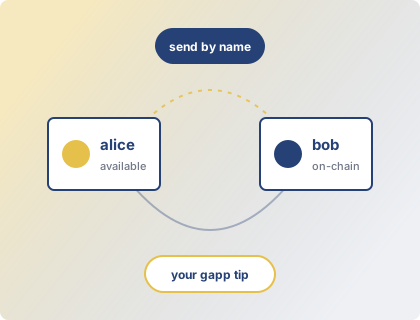
Address people by their name.
Guld is in beta on the Mufasa testnet. Pick a name, keep keys on this device, and send tGULD without pasting addresses.
2.0 beta
People
Address people by their name.
Pick a name, keep keys on this device, and move through the web as alice — not a hex string.
-
Pick a name
Your name is the address. Check availability on this page, register on Mufasa, and send tGULD from the wallet — the FAQ covers sponsorship and signup.
-
Gapps & the directory
Products on Guld are gapps — browse them on /apps/, from /ttt/ to desks, under registered names.
-
Web-native UX
Installable PWA wallet, explorer, and contacts live in the browser — no per-site hex wallet, no foreign VM ritual.
-
Log in with the extension
One name across gapps: the browser extension signs site-login challenges so websites know you as your Guld name — try the demo.
Builders
Build a gapp
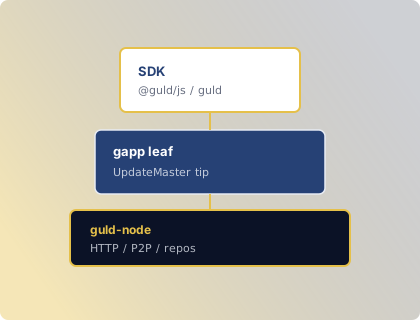
L0 witnesses names, fees, and tips. Your product runs in a leaf — any language, any host. Here is what people ship.
-
Provably fair games
Commit board state under a name; players verify tips, not a shared VM. Start from /ttt/ / guld-tic-tac-toe.
-
Personal sidechains
Ledgers and personal tokens under your tip — policy and storage stay in the leaf; Guld only witnesses the head.
-
DAOs & PoS leaves
Group accounts for treasuries and bylaws; open operator sets can advance tips with bonded GULD weight (GIP-42) — PoS-style leaves anchored in Guld, not header PoS.
-
About the stack
Lean L0 + unbounded leaves: gapps essay, reference gapp,
@guld/js/guld, specs, and the whitepaper.
Network
Connect your gapp
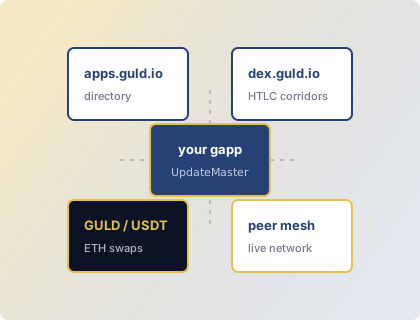
Plug into the live mesh, list where people look, and settle with other gapps — including atomic swaps.
-
Live on the network
Point at a peer — run guld-node or set an API base in settings — then tip
UpdateMasterwhen state that matters commits. Remotes: leaf remotes. -
List on apps & dex
Publish discovery on /apps/ and corridors on /dex/ — fork guld-apps or guld-dex to ship your own leaf.
-
Interact with other gapps
Gapp-to-gapp over ordinary HTTPS (or any transport you choose); settle on L0 with named accounts and shared tips — one identity, many domains.
-
Atomic swaps
Trade GULD, USDT, ETH, or BTC with SHA-256 HTLC swaps on /dex/ — principal settles on-chain without wrapping GULD onto Ethereum. Path: GIP-41 · leaf HTLC.